Small Space Interior Design, 15 Expert Tips to Make Any Room Feel Bigger
Transform cramped rooms into spacious, functional spaces. A designer's best tricks for small apartments, condos, and compact homes, from furniture to lighting to colour.
Georgia
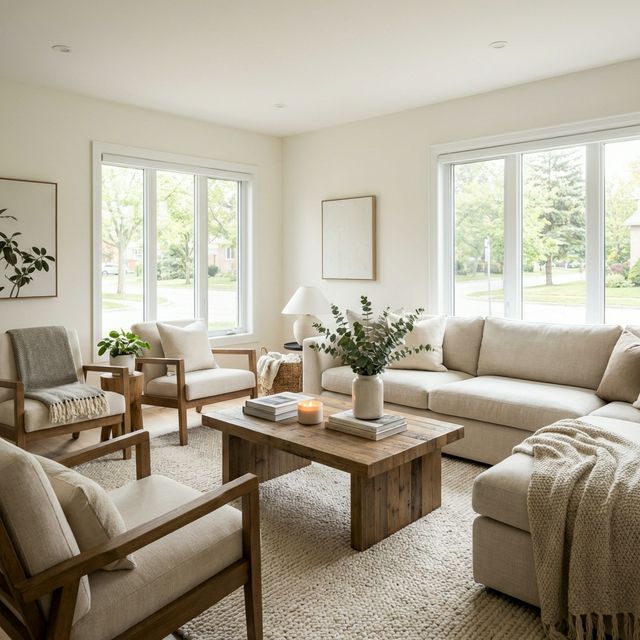
Living in a smaller space doesn’t mean living with less style. Some of the most beautiful, functional homes I’ve designed have been the smallest, compact apartments, starter condos, cozy bungalows. The constraint forces creativity, and creativity produces some of the most thoughtful design.
Whether you’re in a 500 sq ft apartment or just dealing with one tricky room, these 15 strategies will make your space feel substantially bigger.
For more on this topic, see our guide on Winter-Proof Interior Design, How to Make Your Home Feel Warm When It’s -30 Outside.
The Foundations
1. Choose a Light Colour Palette
For more on this topic, see our guide on Colour Psychology in Interior Design: How Paint Affects Your Mood.
This is the single most impactful change. Light colours reflect more light, making walls feel like they’re receding and rooms feel airier.
Best small-space colours:
- Warm white (not stark, think Benjamin Moore’s White Dove or Simply White)
- Soft cream
- Pale greige (gray + beige)
- Light sage
- Soft blush
The 60-30-10 trick: 60% dominant light colour (walls, large furniture), 30% secondary colour (textiles, accent furniture), 10% accent (decorative objects, artwork). This creates depth without visual chaos.
2. Maximise Natural Light
Natural light is the best space-enlarger. Don’t block it.
- Sheer curtains only, or no curtains at all if privacy allows
- Extend curtain rods 6-8 inches beyond the window frame so curtains frame the window without blocking light when open
- Clean your windows. Seriously, dirty glass can reduce light transmission by 20%+
- Use light-coloured window treatments. Dark curtains absorb light and visually shrink windows
3. Add Mirrors Strategically
Mirrors are a small-space designer’s best friend. They reflect light and create the illusion of depth.
- Opposite a window, doubles the perceived natural light
- At the end of a hallway, makes narrow spaces feel twice as deep
- Floor-to-ceiling if possible, creates dramatic visual expansion
- Avoid placing directly facing the entry. Chinese Feng Shui aside, you don’t want to be startled by your own reflection when you walk in.
4. Use Vertical Space
When you can’t expand out, go up.
- Floor-to-ceiling bookshelves draw the eye upward and make ceilings feel taller
- Hang curtains from ceiling height (not from the window frame)
- Tall, narrow furniture instead of wide, squat pieces
- Wall-mounted shelving keeps floor space clear
- Vertical art elongates walls
Furniture Strategy
5. Buy Multi-Functional Furniture
Every piece of furniture in a small space should earn its square footage.
Smart investments:
- Storage ottoman (seating + storage)
- Extendable dining table (compact daily, expands for guests)
- Bed with drawers underneath (eliminates need for a dresser)
- Nesting tables (stack when not in use)
- Bench with storage at the entryway
- Wall-mounted fold-down desk
6. Scale Furniture to the Room
The most common small-space mistake: oversized furniture. That L-shaped sectional from the showroom floor will swallow your living room.
Rules of thumb:
- Leave 18-24 inches of walkway around furniture
- Choose sofas that are proportional (apartment-sized sofas are typically 60-72 inches vs. standard 84+)
- Use a loveseat instead of a sofa if the room demands it
- Round coffee tables take up less visual space than rectangular ones
7. Show Legs
Furniture with visible legs (sofas, chairs, tables, beds) reveals the floor beneath, making the room feel more spacious. Skirted sofas and box beds that sit flush to the floor create visual weight.
Choose: tapered legs, hairpin legs, or open metal frames that allow light and sightlines to pass underneath.
8. Float Furniture
Pull furniture away from walls. It sounds counterintuitive in a small space, but a sofa floated 6 inches from the wall creates breathing room and better proportions. The small gap reads as open space, while furniture pushed against walls creates a cramped, “packed in” feeling.
Lighting & Depth
9. Layer Your Lighting
A single overhead light flattens a room and makes it feel smaller. Multiple light sources at different heights create dimension and pools of warmth.
- Floor lamp in a corner, adds height and warmth
- Table lamps on surfaces, create inviting pockets of light
- Under-cabinet lighting in the kitchen, practical and atmospheric
- Recessed or track lighting, avoids bulky fixtures taking up headroom
Warm bulb temperatures (2700K) are essential. Cool, clinical light makes small spaces feel sterile.
10. Create Depth with Layers
Flat, uniform rooms feel small. Rooms with layers of texture and depth feel interesting and larger.
- Layer a rug over flooring (anchors the furniture group)
- Add throw blankets and cushions in varying textures
- Vary the heights of objects on surfaces
- Combine matte and reflective finishes (wood + glass + metal)
Organisation & Storage
11. Embrace Hidden Storage
Clutter is the enemy of perceived space. In small homes, every item needs a home, and that home should ideally be out of sight.
- Under-bed storage: Vacuum bags for off-season bedding and clothes
- Behind-door hooks and organisers: Bathrooms, bedrooms, closets
- Vertical closet systems: Double-hang rods and shelf dividers
- Furniture storage: Ottomans, benches, beds with drawers
- Over-door shoe racks: Frees closet floor space
12. Edit Constantly
Small spaces require ongoing curation. Adopt a one-in-one-out policy: for every new item that enters, one leaves. Schedule a quarterly declutter to prevent accumulation.
The visual impact of cleared surfaces and breathing room between objects is more valuable than any design trick.
Advanced Techniques
13. Use Continuous Flooring
Using the same flooring throughout (or at least through all visible sightlines) eliminates visual breaks that make spaces feel segmented and smaller. If that’s not feasible, use similar tones across different floor materials to maintain flow.
14. Design Sightlines
Create clear visual paths through your space. When the eye can travel across a room without interruption, the space feels larger.
- Avoid placing tall furniture in the middle of sightlines
- Keep windows unobstructed
- Align doorways and hallways visually
- Use glass or acrylic furniture (a glass coffee table maintains the sightline through to the floor)
15. Be Intentional with Art and Decor
In small spaces, less is emphatically more. One large piece of art has more impact (and takes up less visual space) than a cluttered gallery wall. Choose pieces that add depth, fields, abstracts with vanishing points, or photography with strong perspective lines.
Avoid: Clutter walls, too many small items competing for attention, overly busy patterns on large surfaces.
The Small Space Mindset
The best small-space design isn’t about tricks or hacks, it’s about intention. Every piece of furniture, every colour choice, every accessory should earn its place. When you approach a small space with that level of care, the result isn’t a room that feels “small but managed.” It’s a room that feels considered, curated, and complete.
Need help making your small space work harder? Georgia Home Design offers virtual design consultations worldwide, perfect for apartment and condo dwellers anywhere. Book a session →